On-Page SEO Checklist: 20 Tips to Rank Higher in Google
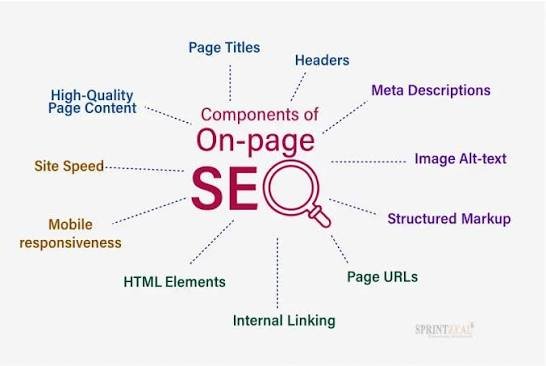
On-Page SEO Checklist: 20 Tips to Rank Higher in Google If you have ever wondered why some websites always show up on the page of Google and others don’t get seen the answer is usually because of good on-page SEO. Even the best content can be missed if it is not set up for search engines and for people who read it. On-page SEO means all the changes you make directly on your website to help search engines figure out what your content is about and to make it better for visitors. Unlike off-page SEO, which’s about links from other sites on-page SEO is something you can control completely. On Page SEO checklist include Things like content, headings, keywords how the page is organized links inside the site and technical parts all matter here. Googles search systems have gotten much better. Now they like websites that show they know a lot give information come up fast and offer a good experience. Just putting in keywords is not enough anymore. Good SEO means making content that answers what people are looking for and following the ways to do it. No matter if you are a writer a small business person, a person who works with marketing or just starting with SEO learning on-page SEO can make your website show up more in search results. Better rankings usually mean visitors from search engines more people who want to interact with your content and more chances to get people to do something you want them to do. In this guide we will go through a list of 20 on-page SEO tips that can help your website do better. Each tip is easy to understand. Can be used without knowing a lot of technical stuff. If you use these methods often you will make pages that’re good for search engines and also good for the people who visit them. We will start with the important on-page SEO Checklist that help build a strong base for better Google rankings. 1. Do Good Keyword Research Every good SEO plan starts with keyword research. Before you write anything find the words and phrases that your audience is looking for. Look for words that have a purpose and a good mix of how many people search for them and how hard it is to rank for them. Don’t just go for the popular keywords. Also use long-tail keywords that answer questions. These often bring in visitors and are easier to rank for. 2. Use Your Main Keyword in the Right Places Put your keyword in important parts like the title first part of the text, headings, the web address and the description that shows in search results.. Don’t put too many. Your writing should feel natural. Give real value to the people who read it. 3. Make a SEO . A good title makes people click and helps search engines know what your page is about. Keep titles specific and around 50 to 60 characters. 4. Make a Meta Description Even though meta descriptions do not help with rankings they do influence if people click on your link. Write a summary that has your main keyword and makes people want to visit your page. 5. Make an URL Use short clear URLs that include your target keyword. Stay away, from numbers, symbols or long strings. A clean URL is easier for people and search engines to understand. 6. Use Proper Heading Structure A page that is organized well is easier for readers and search engines to understand. Your page needs to have one **H1** tag, which’s the title then **H2** and **H3** headings to split your content into clear sections. Do not skip heading levels. Use headings just for style. Instead use them to build a structure for your content. This makes it easier to read helps Google understand your page and lets users scan your content quickly. 7. Publish High-Quality, Original Content Content is one of the important factors in SEO. Google gives rankings to websites that have helpful, correct and original information that really helps users solve a problem or answer a question. Of taking information from other websites add your own thoughts, examples, numbers or step-by-step instructions. Content that covers a topic in depth is more likely to rank because it meets the needs of users better than short or repeated articles. Always write for people first. Search engines second. If your content has value readers will stay longer share your article and come back for more. 8. Optimize Images for SEO Images make the user experience better by making content more interesting. They should also be made for search engines. Before you upload an image change the file name to something that describes the image of using names like “IMG1234.jpg.” Add clear **alt text** that tells what the image shows as this helps search engines understand the image and makes it easier for people using screen readers. Reduce the size of image files to make the page load faster without losing quality. Faster pages offer an experience and can help your search performance. 9. Improve Internal Linking Internal links connect one page on your website to another. They help visitors find content and let search engines crawl your website more easily and help visitors into spending more time looking at your content. 10. Include External Links to Trusted Sources Linking to well-known websites can make your content stronger by backing up your statements with real information. References, to sources show readers that your content is carefully researched. However only link to websites that’re relevant, correct and recent. Do not add many external links and make sure each one gives real value to the reader. 11. Improve Your Website Speed Your website speed is very important for people who visit your site and for search engine rankings. People want your site to load fast in a few seconds. If your site is slow people will leave before they even read what you have to
E-commerce Marketing Strategy Pakistan: 10 Proven Ways to Scale
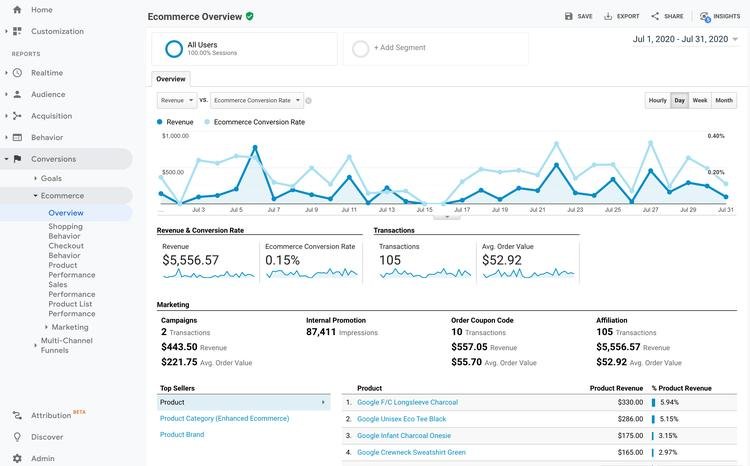
E-commerce Marketing Strategy: How to Scale an Online Store in Pakistan Growing an online store is no longer just about listing products and running occasional ads. In 2026, businesses need a complete E-commerce Marketing Strategy Pakistan that combines SEO, AI-friendly content, social media, paid advertising, email marketing, and customer experience. Many beginners struggle because they focus only on increasing traffic instead of building a strategy that converts visitors into loyal customers. Google now rewards websites that demonstrate Experience, Expertise, Authoritativeness, and Trust (EEAT), while AI-powered search experiences prioritize genuinely helpful content. This guide explains how to build a modern e-commerce marketing strategy that helps online stores in Pakistan—and businesses targeting international customers—achieve sustainable growth. What Is an E-commerce Marketing Strategy? Why Every Online Store Needs an E-commerce Marketing Strategy Pakistan Step-by-Step E-commerce Marketing Strategy Pakistan What Beginners Should Focus on First Common Marketing & SEO Mistakes Benefits of a Strong E-commerce Marketing Strategy Real-World Example Why Choose Our Services Frequently Asked Questions Call to Action What Is an E-commerce Marketing Strategy? An E-commerce Marketing Strategy Pakistan is a structured plan that attracts visitors, converts them into buyers, and encourages repeat purchases. Instead of relying on one marketing channel, successful online stores combine: Search Engine Optimization (SEO) Content marketing Google Ads Social media marketing Email automation Conversion Rate Optimization (CRO) AI-ready content optimization Customer retention campaigns The goal is sustainable growth rather than short-term sales spikes. Why Every Business Needs an E-commerce Marketing Strategy Pakistan Competition among online stores continues to increase. Businesses that rely only on paid advertising often struggle with rising acquisition costs. A complete strategy helps you: Increase organic search visibility Build long-term brand authority Improve customer trust Generate recurring revenue Reduce dependence on paid traffic Improve conversion rates Strengthen customer lifetime value Whether you sell within Pakistan or internationally, these principles remain effective because Google’s ranking systems reward quality and user satisfaction. Step-by-Step E-commerce Marketing Strategy Pakistan 1. Build a Fast Website Website speed directly affects user experience and conversions. Focus on: Core Web Vitals Mobile responsiveness Secure HTTPS Fast hosting Optimized images 2. Perform E-commerce SEO Pakistan Strong E-commerce SEO Pakistan ensures customers find your products naturally. Optimize: Product pages Category pages Meta titles Product descriptions Internal linking Structured data Image optimization Target search intent instead of stuffing keywords. 3. Create Helpful Content Google’s Helpful Content systems reward content that genuinely answers customer questions. Publish: Buying guides Product comparisons Tutorials Industry news Frequently asked questions Educational content builds authority and supports AI-powered search experiences. 4. Optimize for AI Search Modern search includes AI-generated overviews and conversational results. Improve visibility by: Answering questions clearly Using descriptive headings Adding FAQ sections Including structured information Demonstrating first-hand expertise 5. Leverage Social Media Social platforms help generate awareness and trust. Use: Instagram Reels Facebook Shops TikTok videos Pinterest LinkedIn (B2B) Share product demonstrations, customer testimonials, and educational content consistently. 6. Run Smart Paid Campaigns Use advertising strategically rather than relying on it entirely. Recommended channels: Google Shopping Search Ads Meta Ads Remarketing campaigns Performance Max campaigns Combine paid traffic with SEO for sustainable growth. 7. Improve Conversion Rates Traffic alone does not grow a business. Increase conversions with: Trust badges Customer reviews Fast checkout Multiple payment methods Clear return policies Live chat support Small improvements often produce significant revenue gains. What Beginners Should Focus on FIRST If you’re launching an online store, prioritize these tasks: Build a mobile-friendly website. Set up Google Search Console and Analytics. Optimize category and product pages. Publish helpful blog content. Improve Core Web Vitals. Collect customer reviews. Create email marketing automation. Avoid trying every marketing channel at once. Common SEO & Marketing Mistakes Many businesses delay growth because they: Ignore technical SEO Publish duplicate product descriptions Target broad keywords only Skip local SEO optimization Use poor-quality backlinks Forget mobile optimization Ignore customer retention Depend only on paid advertising Modern SEO requires quality, trust, and user-focused content. Benefits of Doing SEO the Right Way A strong E-commerce Marketing Strategy Pakistan delivers: Higher Google rankings Increased qualified traffic Better conversion rates Stronger brand authority Lower acquisition costs Higher customer retention Sustainable long-term growth Better AI search visibility Businesses that consistently publish helpful content and optimize user experience are better positioned for future algorithm updates. Real-World Use Case A Pakistani fashion retailer optimized product pages, improved site speed, created buying guides, and implemented email automation. Within several months, the business experienced: Higher organic traffic Improved product visibility Increased repeat purchases Better conversion rates Reduced dependence on paid advertising The growth came from combining SEO, content marketing, and customer experience rather than relying on a single tactic. Why Choose Our Services We help businesses build scalable e-commerce growth strategies through: Experienced SEO specialists Google-compliant optimization AI-search optimization Technical SEO audits Content marketing Local and international SEO Ethical white-hat practices Performance monitoring and reporting Every strategy is tailored to your business goals while following current Google best practices. Frequently Asked Questions What is the best E-commerce Marketing Strategy Pakistan? A combination of SEO, content marketing, paid advertising, email marketing, and conversion optimization delivers the best long-term results. Is E-commerce SEO Pakistan still effective in 2026? Yes. High-quality SEO remains one of the most cost-effective ways to generate sustainable organic traffic. H3: How long does SEO take? Most businesses begin seeing measurable improvements within three to six months, depending on competition and website quality. Can local businesses benefit from e-commerce SEO? Absolutely. Local SEO helps businesses attract nearby customers while also supporting national and international visibility. Is AI changing SEO? Yes. AI-powered search favors content that demonstrates expertise, answers questions clearly, and provides real value to users.
Content Marketing Strategy 2026: How to Drive Traffic Without Ads
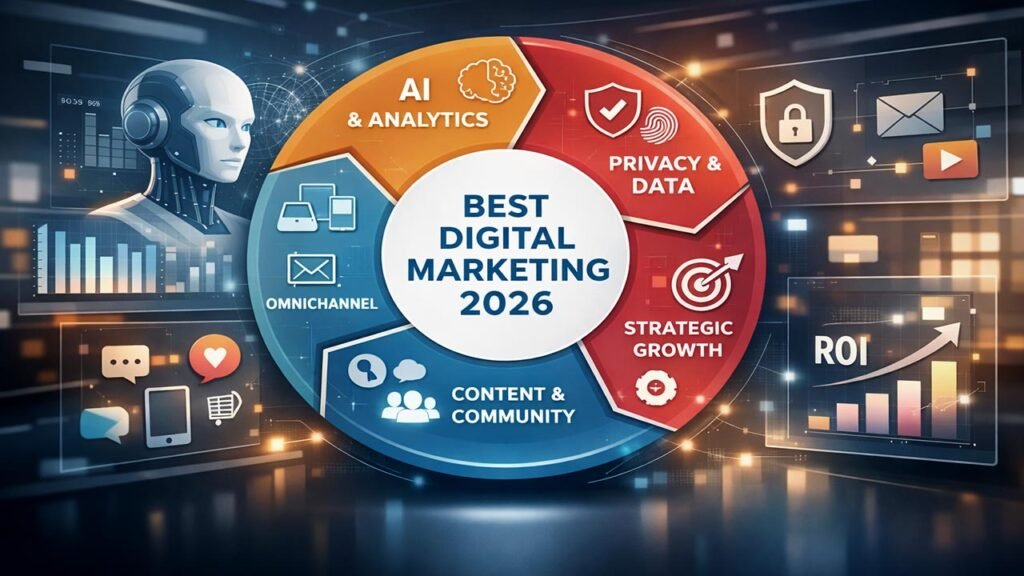
Content Marketing Strategy 2026: How to Drive Traffic Without Ads Introduction Many businesses think they need to spend money on advertisements to get website visitors. But that is no longer the case in 2026. Search engines, social media platforms, and online communities reward valuable and helpful content more than ever before. If you create content that solves people’s problems, you can attract visitors without paying for ads. A strong content marketing strategy helps businesses build trust, improve search engine rankings, and bring consistent organic traffic. Instead of relying on expensive advertising campaigns, you can focus on creating content that people genuinely want to read, watch, or share. This approach not only saves money but also creates long-term growth for your website. What is Content Marketing? Content marketing is the process of creating and sharing useful, informative, or entertaining content to attract and engage your target audience. Instead of directly promoting products or services, you provide value that helps people solve problems or answer questions. Examples of content marketing include: Blog articles How-to guides Videos Infographics Case studies Email newsletters Podcasts Social media posts The main goal is to build trust so people naturally choose your business when they need your products or services. Why Content Marketing Matters in 2026 Search engines like Google continue to prioritize high-quality, people-first content. Websites that publish original, helpful, and trustworthy information have a better chance of ranking higher in search results. Content marketing also helps you: Increase organic website traffic Build brand authority Improve customer trust Generate quality leads Reduce marketing costs Create long-term business growth Unlike paid ads that stop working when your budget runs out, quality content can continue bringing visitors for months or even years. 1. Understand Your Audience Knowing who you are producing content for is the first step. Research your audience’s interests, challenges, and questions. Ask yourself: What problems do they face? What information are they searching for? Which platforms do they use? What type of content do they enjoy? Creating content based on real user needs increases engagement and improves your chances of ranking in search engines. 2. Focus on High-Quality SEO Content One of the best strategies for generating free visitors is still SEO. Write articles that: Answer common questions Include relevant keywords naturally Use clear headings Add images with descriptive alt text Include internal and external links Keep paragraphs short and easy to read Avoid keyword stuffing because search engines now reward natural writing that provides genuine value. 3. Create Helpful Evergreen Content Content that is evergreen has a long shelf life. Unlike news articles, it continues attracting visitors months or years after publication. Examples include: Beginner guides Tutorials Product comparisons Frequently Asked Questions Checklists Step-by-step instructions Updating evergreen content regularly keeps it fresh and improves its search rankings. 4. Build Topical Authority Instead of writing random articles, focus on one niche and publish multiple related topics. For example, if your website is about digital marketing, write articles about the following: SEO Content marketing Email marketing Keyword research Link building Google Search Console AI writing tools This helps search engines recognize your website as an expert source. 5. Use Social Media Organically Social media is a powerful free traffic source. Share your content on: Facebook Instagram LinkedIn X (Twitter) Pinterest Threads Instead of only posting links, create short tips, videos, or graphics that encourage people to visit your website. Engaging with your audience through comments and discussions also increases visibility. 6. Start an Email Newsletter Email marketing is still one of the highest-performing marketing channels. Encourage visitors to subscribe by offering: Free guides Checklists Templates E-books Exclusive tips Send valuable newsletters regularly instead of only promotional emails. This keeps your audience engaged and encourages repeat visits to your website. 7. Repurpose Your Content One blog post can become many different content pieces. For example: Turn a blog into a YouTube video. Create Instagram carousel posts. Design Pinterest graphics. Make LinkedIn articles. Record a podcast episode. Share short videos on TikTok or YouTube Shorts. Repurposing content saves time while reaching a larger audience. 8. Optimize for User Experience A fast and user-friendly website helps both visitors and search engines. Improve your website by: Increasing page speed Making it mobile-friendly Using easy navigation Adding clear headings Using readable fonts Including relevant images Visitors stay longer when your website is simple and enjoyable to use. 9. Build Trust with E-E-A-T Google values content that demonstrates: Experience Expertise Authoritativeness Trustworthiness To improve credibility: Write original content. Share real examples. Include accurate information. Update old articles. Cite reliable sources when needed. Display author information. Trustworthy content performs better in search results. 10. Measure and Improve Your Results Successful content marketing requires continuous improvement. Track important metrics such as: Organic traffic Page views Bounce rate Average session duration Keyword rankings Conversion rate Use the data to identify which content performs best and update underperforming pages regularly. Common Mistakes to Avoid Many websites fail because they make simple mistakes, including: Publishing low-quality content Copying articles from other websites Ignoring SEO Writing only for search engines instead of people Not updating old content Posting inconsistently Using too many advertisements Avoiding these mistakes helps create sustainable organic growth. Conclusion Content marketing in 2026 is about creating helpful, trustworthy, and user-focused content that solves real problems. Businesses no longer need a large advertising budget to attract visitors. By understanding your audience, publishing high-quality articles, improving SEO, building topical authority, sharing content on social media, and maintaining a great user experience, you can generate steady organic traffic for years. The best strategy is consistency. Continue publishing valuable content, update your existing articles, and focus on helping your audience rather than simply selling. Over time, this approach builds authority, improves search engine rankings, and drives free, long-term traffic without relying on paid advertisements.
SEO for Business: 7 Ways to Promote Your Business on the Internet
Introduction SEO for Business is one of the most effective way to promote your business on the internet.your website’s visibility, attract the right audience, and increase organic traffic.https://360hubdigital.com/7-ways-to-promote-your-business-online?. SEO means making a website more user-friendly so search engines can understand its content and recommend it to users. Good SEO includes both technical improvements and valuable information that answers users’ questions. SEO goes beyond just ranking. It also focuses on providing an enjoyable experience for visitors. When users can quickly find valuable information, they are more likely to trust your business and become customers. Why SEO Is Important. The level of online competition is increasing every year. With numerous websites offering similar products or services, it can be hard to stand out. By using SEO, businesses can boost their visibility without paying for each visit. Some main benefits are: Better search ranking on Google. – Increased organic website traffic. – More qualified leads. – Improved brand credibility. – Long-term marketing benefits. – Higher return on investment. Search engine optimization can drive traffic to a website over time, while paid ads do not have the same lasting effect. SEO Supports Business Growth. Attracts the Right Audience. SEO targets people who are already interested in products or services related to your business. If potential customers have clear intent, they are more likely to engage with you. Builds Customer Confidence. Websites that appear at the top of search results often inspire trust. A professional website with valuable information makes a good impression and encourages visitors to choose your business over others. Improves Website Performance. SEO isn’t just about using keywords. It also enhances website performance and improves the experience for mobile users through better navigation and usability. These improvements can lead to longer visits and lower bounce rates. Increases Sales Opportunities. More visibility means more visitors, and more visitors lead to more conversions. By using SEO, you can create valuable business opportunities by answering questions over the phone, getting contact form submissions, or securing online orders. Essential Parts of SEO. Keyword Research. To succeed with SEO, you need to understand what people are searching for online. Choosing the right keywords helps businesses create content relevant to their target audience. Quality Content. Websites with innovative, informative, and useful content are favored by search engines. Helpful articles, guides, and FAQs can address customer inquiries and improve search engine visibility. On-Page Optimization. Titles, headings, images, URLs, and internal links should all be optimized to help search engines understand each page better. Technical Improvements. An optimized website is efficient, mobile-friendly, and allows search engines to crawl pages easily. Link Building. Search engines view your website as more trustworthy when it includes links to reputable sites. Quality backlinks can improve rankings and authority. Best SEO Practices. Websiteshttps://sfdigitalsolutions.com should be updated regularly, and businesses should use current SEO techniques, such as: Publishing original content consistently. – Creating page titles and meta descriptions. – Using descriptive headings. – Compressing images for faster loading. – Ensuring clear website navigation. – Updating outdated information. – Monitoring website performance through analytics These practices positively impact both search visibility and user satisfaction. Mistakes That Can Hurt SEO. Common mistakes that can damage website performance and ranking include: – Copying content from other websites. – Publishing thin or low-value articles. – Ignoring mobile users. – Overusing keywords in an unnatural way. – Having broken links. – Slow-loading pages. – Neglecting regular content updates. Avoiding these issues can help improve your online visibility. The Future of SEO. Focusing on user experience and content quality will drive improvements in search engines. Successful businesses will be those that share useful information, maintain fast websites, and understand customer needs. Future SEO methods will emphasize valuable content, mobile-friendliness, page speed, and website quality over shortcuts or outdated techniques. Conclusion. One of the most effective ways to boost an online business is through SEO. It helps companies reach potential customers, improve search engine visibility, build trust, and generate consistent organic traffic. These are all significant benefits. While long-term SEO can be challenging, it is extremely valuable for businesses of any size. A well-structured SEO plan combines useful content, technical optimization, and ongoing improvements. Investing in these areas strengthens a company’s ability to compete online and grow sustainably. Frequently Asked Questions. What’s SEO? The goal of SEO is to improve a website’s ranking in search engines. How long does SEO take? Depending on competition and website quality, most businesses start to see improvements within three to six months. Does SEO outperform paid advertising? SEO offers long-term organic traffic, while paid ads deliver quick but short-lived results. Is SEO effective for small businesses? Yes. Small businesses can use SEO to connect with local customers, promote their brand, and boost their online competitiveness.
The Power of Digital Marketing in the Modern Business World
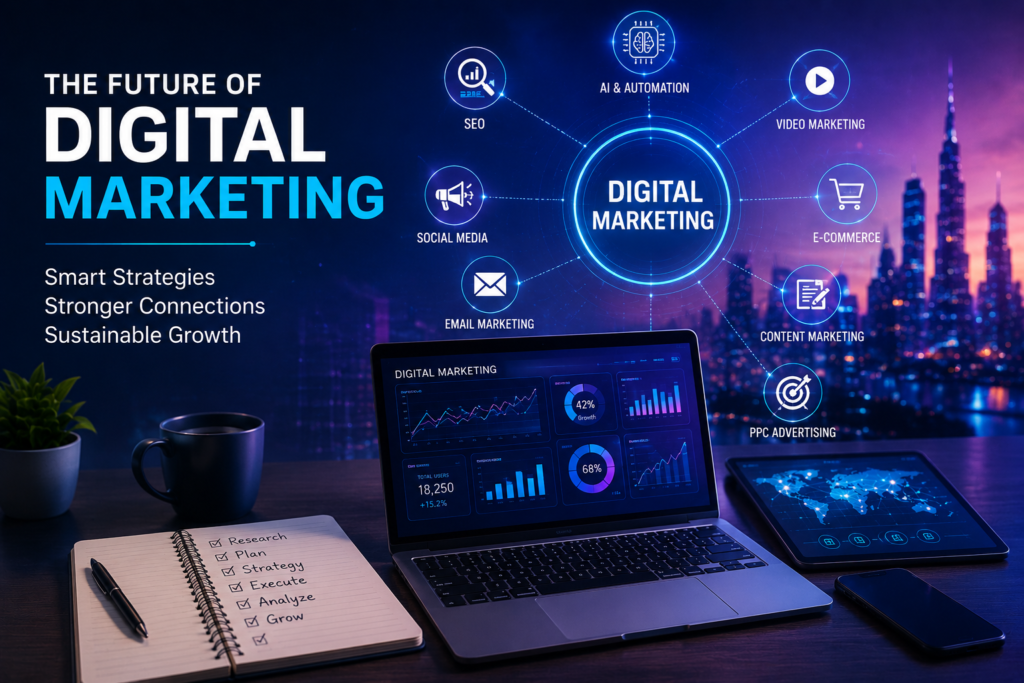
Introduction Digital marketing has changed the way businesses communicate with their customers in today’s digital age. Instead of relying only on newspapers, television, or billboards, companies now use online platforms to promote their products and services. From small startups to multinational corporations, businesses of every size are investing in digital marketing because it offers better reach, measurable results, and higher returns. The internet has become a part of everyday life, making digital marketing one of the most effective ways to build brand awareness, increase customer engagement, and drive sales. What is Digital Marketing? Digital marketing is the promotion of products, services, or brands using digital channels such as search engines, websites, social media, email, and mobile applications. Unlike traditional marketing, digital marketing allows businesses to communicate directly with their target audience in real time. Whether someone is searching for a product on Google, scrolling through Instagram, or watching videos on YouTube, businesses can reach potential customers exactly where they spend their time online. Why Digital Marketing Matters Today’s customers research products online before making purchasing decisions. If a business doesn’t have a strong online presence, it may lose customers to competitors. Digital marketing helps businesses: Reach a global audience Generate quality leads Build customer trust Increase website traffic Improve brand visibility Boost sales and revenue Measure campaign performance accurately These advantages make digital marketing an essential part of modern business growth. Key Types of Digital Marketing 1. Search Engine Optimization (SEO) SEO improves a website’s visibility on search engines like Google. When your website ranks higher in search results, more people can find your business naturally without paying for ads. 2. Social Media Marketing Platforms such as Facebook, Instagram, LinkedIn, Tiktok, and X help businesses connect with audiences, build communities, and promote products through engaging content. 3. Content Marketing Creating valuable blog posts, videos, guides, and infographics helps businesses educate customers while building trust and authority in their industry. 4. Email Marketing Email marketing allows businesses to maintain relationships with customers by sending newsletters, promotions, product updates, and personalized offers directly to their inbox. 5. Pay-Per-Click (PPC) Advertising PPC advertising enables businesses to display ads on search engines and social media platforms. Companies only pay when someone clicks on their advertisement, making it a highly measurable marketing method. Benefits for Modern Businesses Digital marketing provides several long-term benefits: Cost-Effective: Online campaigns often cost less than traditional advertising. Targeted Marketing: Businesses can reach specific audiences based on age, location, interests, and behavior. Real-Time Results: Marketing performance can be tracked instantly. Higher Customer Engagement: Social media and email allow direct communication with customers. Better Return on Investment (ROI): Businesses can optimize campaigns using real data to improve results. Challenges of Digital Marketing Although digital marketing offers many benefits, businesses also face challenges such as: Increasing competition Constant algorithm updates Data privacy concerns Creating consistent, high-quality content Keeping up with changing digital trends Companies that continuously learn and adapt are more likely to succeed in the digital landscape. The Future of Digital Marketing Artificial intelligence, voice search, automation, personalized marketing, and short-form video content are shaping the future of digital marketing. Businesses that embrace these technologies can deliver better customer experiences and stay ahead of the competition. As technology continues to evolve, digital marketing will become even more personalized, data-driven, and customer-focused. Conclusion Digital marketing plays a vital role in helping businesses grow in today’s competitive marketplace. it allows companies to connect with their target audience, strengthen customer relationships and achieve long-term business success. It enables businesses to reach the right audience, build lasting customer relationships, and achieve sustainable growth. Whether you’re launching a new business or expanding an existing one, investing in digital marketing is no longer optional it’s essential for long-term success. Investing in digital marketing today is a smart step toward creating a successful and sustainable future. By combining SEO, social media, content marketing, email campaigns, and online advertising, businesses can strengthen their online presence and remain competitive in an increasingly digital world.
Top 10 digital marketing trends 2026
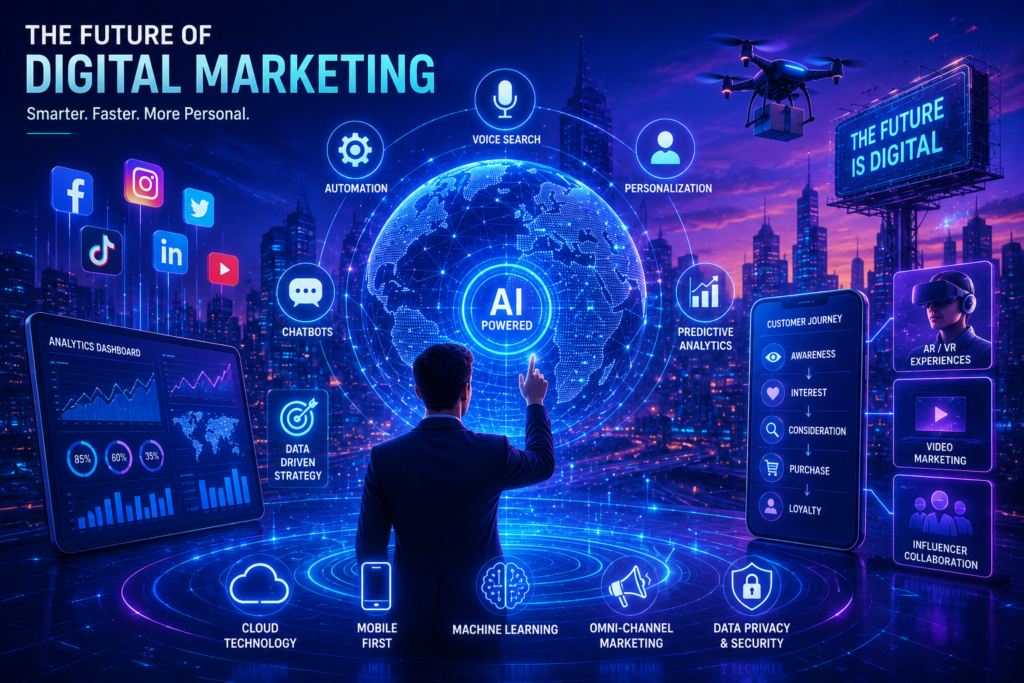
Future of Digital Marketing In this guide we will cover the top digital marketing trends 2026. If you want to know the latest digital marketing trends for 2026, you are in the right place. Digital marketing trends 2026 is changing faster than ever, and businesses need to keep up with the latest strategies to stay competitive. In 2026, technologies like artificial intelligence (AI), voice search, short-form videos, and personalized marketing are transforming how brands connect with customers. Understanding these changes can help businesses improve their online presence, attract more customers, and increase sales. In this article, we’ll explore the Top Digital Marketing Trends 2026, explain why they matter, and share practical tips to help you stay ahead in the digital world. AI-Powered Marketing Becomes Smarter Artificial Intelligence (AI) is one of the biggest digital marketing trends 2026. It helps businesses understand customer behavior, create better content, and improve marketing results with less time and effort. AI tools are making marketing faster, smarter, and more effective for businesses of all sizes. AI Tools for Better Marketing AI-powered tools can help marketers write blog posts, create social media captions, generate images, analyze data, and plan marketing campaigns. Digital marketing trends 2026 These tools save time and allow businesses to focus on strategy and customer relationships. Personalized Content Today’s customers expect content that matches their interests. AI analyzes customer data, such as browsing history and purchase behavior, to recommend products, send personalized emails, and display relevant advertisements. This improves the user experience and increases engagement. Marketing Automation AI makes it easy to automate repetitive marketing tasks. Businesses can schedule social media posts, send follow-up emails, respond to customer questions with chatbots, and track campaign performance automatically. This saves time while ensuring consistent communication with customers. Benefits for Businesses Using AI in digital marketing offers several advantages: Saves time by automating routine tasks. Improves customer experience through personalization. Helps create content more efficiently. Increases engagement and conversion rates. Provides valuable insights for better marketing decisions. Customer Support AI-powered chatbots and virtual assistants provide instant customer support 24/7. They can answer common questions, solve basic issues, recommend products, and guide customers through the buying process. This improves customer satisfaction, reduces response times, and allows human support teams to focus on more complex inquiries. As a result, businesses can offer faster, more efficient, and cost-effective customer service. Content Creation Content creation is becoming faster and smarter with the help of Artificial Intelligence (AI). In 2026, marketers use AI tools to generate blog posts, social media captions, email campaigns, product descriptions, and video scripts in just a few minutes. These tools help save time, improve productivity, and maintain a consistent brand voice across different platforms. However, AI works best when combined with human creativity. While AI can generate ideas and drafts, marketers should review and personalize the content to ensure it is accurate, engaging, and aligned with their audience’s needs. High-quality, original content remains essential for building trust, improving SEO rankings, and increasing customer engagement. Businesses that use AI wisely can create more valuable content while staying competitive in the digital marketing landscape. Voice Search Optimization Voice search optimization is one of the most important digital marketing trends in 2026. With the growing use of smartphones, smart speakers, and AI voice assistants like Google Assistant, Siri, and Alexa, more people are searching the internet using their voice instead of typing. Voice searches are usually longer and more conversational, which means businesses need to optimize their content for natural language and question-based keywords. To succeed in voice search, marketers should focus on creating clear, informative, and easy-to-read content. Using long-tail keywords, answering common customer questions, and optimizing for local SEO can improve the chances of appearing in voice search results. Websites that load quickly, are mobile-friendly, and provide accurate information are more likely to rank well. digital marketing trends 2026 By adopting voice search optimization, businesses can reach a wider audience, improve user experience, and stay ahead in the competitive digital marketing landscape Short-Form Video Content Short-form video content continues to dominate digital marketing in 2026. Platforms like TikTok, Instagram Reels, and YouTube Shorts have changed the way people consume content. These videos are usually 15 to 60 seconds long, making them easy to watch, share, and engage with. Businesses use short videos to showcase products, share tips, tell stories, and connect with their audience in a creative way. One of the biggest advantages of short-form videos is their high engagement rate. Eye-catching visuals, trending music, and quick storytelling encourage users to like, comment, and share the content. This helps brands reach a larger audience without spending a huge advertising budget. Consistently posting valuable and entertaining videos also improves brand awareness, builds customer trust, and increases website traffic and sales. In 2026, short-form video marketing is no longer optional—it is an essential strategy for businesses that want to grow online. Digital Marketing trends 2026 (Personalized Marketing) Personalized marketing is one of the most effective digital marketing trends in 2026. Instead of showing the same content to everyone, businesses use customer data to deliver personalized experiences based on individual interests, browsing history, purchase behavior, and preferences. This helps brands build stronger relationships with their audience and improve customer satisfaction. Customer Data Customer data is the foundation of personalized marketing. Businesses collect information such as age, location, interests, website activity, and previous purchases to better understand their customers. By analyzing this data, marketers can create targeted campaigns that are more relevant and effective. Using customer data responsibly and respecting privacy regulations also helps build trust and long-term customer loyalty. Personalized Emails Personalized email marketing allows businesses to send relevant messages to each customer. Instead of generic emails, companies can include the customer’s name, recommend products based on previous purchases, or send special offers for birthdays and holidays. Personalized emails often achieve higher open rates, click-through rates, and conversions because they provide content that matches the recipient’s interests. Product Recommendations Product recommendations help customers discover items they are most likely
Digital Marketing in AI: How AI changing the Game
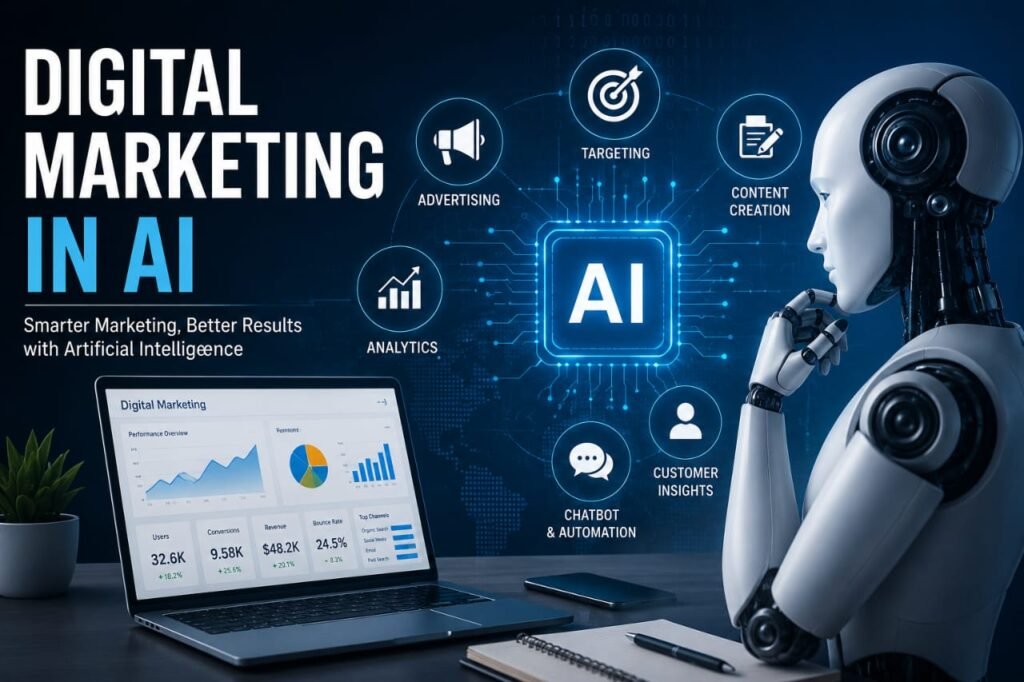
Digital Marketing in AI: Introduction: Digital marketing in Artificial intelligence is changing the future of online businesses by making marketing faster, smarter, and more effective. In today’s era, whenever we see something on the internet or social media, we see that the way of doing business has completely changed. In the old days, newspapers, TV or banners were used for advertising, but now it is the era of digitalization, and it has brought a new and powerful revolution called AI or Artificial intelligence. Artificial Intelligence is changing digital marketing, how it works, and why it is becoming an essential skill for every marketer. In this article, we will know in very simple words what is the role of Digital marketing in AI? Combination of AI and Digital Marketing: In simple words, when we use the ability of computer or robots in digital marketing such as Facebook and Instagram ads, Google search or emails that can think and understand automatically, it is called AI in digital marketing. Earlier, markets had to do everything themselves, but now with the help of AI, this work has started to be done in a very tested or smart way. How does AI work in digital marketing? Personalization: People must have often noticed that the ads you tell the truth about on the internet start appearing on Facebook or Instagram. This is all the magic of AI.AI looks at the customers preferences and their previous search history and gives them exactly the same content that they need, which is what they are interested in their search bar. Content Creation: After that, the most important thing in digital marketing is content, that is, written, images, or videos. Today with the helps of AI tools such as ChatGPT or Gemini, the best captions, ad copies and blogs, etc., can be written in a few seconds for social media posts. Chatbots for customer Service: After this come, the chat boss for the customer server. In the past, a human had to sit down to answer customer questions, but now such as chatbots have been placed on the website, which with the help of AI gives automatic or instant answer the customer questions 24 hours a day. Saving Times or Money AI tells us which advertisement is more profitable to run at which type of customer can buy your product, so businessmen’s money is saved from being wasted in useless places. Can AI replace the marketers? This question is very common. Will robots pr AI replace human jobs? So the answer is No, AI can’t do anything on its own. It needs a human to run it, to idealize it, to give it ideas, which is what the market is using. The marketer who learns to use the marketer’s AI can do his job much better and faster. What is the magic of AI and Digital Marketing? When we use Facebook or Instagram or Google, we see that whatever we think or search for, it immediately appears in front of us, just like a personal advertisement. If we look at an example, we often have noticed that we are talking to a friend on Facebook or regular basis, meaning if I am talking about shows, then suddenly it happens that on my Facebook or on my YouTube or any other app on social media, an advertisement of the same brand or the same shown type, meaning things that interest me, comes in front of me. This is not a normal thing. This is not magic. This is the miracle of AI. Think about it, if you had to tell a customer about the size, price or delivery of clothes at 2am, would you stay awake all night? Absolutely not. Now this is where AI comes to us as an angel and it is a digital friend that never gets tired or sleeps, but keeps on growing your business day and night. In today’s era, marketing is not just about advertising in newspapers. In this article, we will know many such benefits that how AI is changing the game in Digital marketing and how we can benefits from it. As it is also a true fact that AI cannot think like me, but its passion and creativity are good, creative thinking. There are some shortcomings. In the beginning, AI also makes mistakes and a human has to be corrected properly. In the world of digitalization, competition is very tough and in such a world, those who consider AI as their enemy will be left behind, but those who want to be use it as their best friend and learn it will come out ahead in a very short time. Conclusion: Now, if we look at its conclusion, today’s digital marketing does not mean just selling products, but understanding the heart of the customer and in this work, AI can become your biggest friend. If you want to make your business or career shine in the digital world, then start using AI tools on large scale from today itself.
E-commerce 2026: The Ultimate Guide to Trends & Opportunities
Introduction “In this guide, we explore the future of E-commerce 2026 and how it has changed from a convenient alternative to traditional shopping into the leading force in global retail. In 2026, online shopping goes beyond browsing and buying. It offers smooth, personalized, and often AI-driven experiences that feel almost conversational. Whether you’re a shopper enjoying late-night deals or a business owner wanting to grow, e-commerce continues to change how we connect, buy, and sell. Let’s explore what e-commerce looks like today, its rapid growth, key benefits and challenges, emerging trends, and practical steps to start or expand your own online business. What is E-Commerce? E-commerce (electronic commerce) involves buying and selling goods or services using the internet. This includes online marketplaces like Amazon, Shopify stores, direct-to-consumer brands, B2B platforms, and social commerce on TikTok or Instagram. It includes several models: B2C (Business-to-Consumer): The most common model, where companies sell directly to individuals (e.g., fashion websites, electronics stores). B2B (Business-to-Business): Companies sell to other businesses, often with larger order values. C2B (Consumer-to-Business): Individuals offering products or services to companies. At its core, e-commerce relies on digital storefronts, secure payment systems, logistics networks, and customer data to enable efficient transactions. The Explosive Growth of E-Commerce in 2026 The numbers reveal an impressive story. Global e-commerce sales are expected to hit around $6.88 trillion in 2026, up from about $6.42 trillion in 2025. This represents a significant part of total retail—around 21% in 2026, with predictions showing it rising to 22-23% by 2028. In the United States, e-commerce is likely to maintain strong growth, with sales potentially nearing $1.5 trillion in recent years and reaching around $1.8 trillion by 2030. The B2B sector is expanding even faster in some areas, with compound annual growth rates (CAGR) around 14.5% through 2026. This growth stems from widespread smartphone use, better logistics, and changing consumer habits that prioritize convenience over visits to physical stores. In many emerging markets, including parts of South Asia like Pakistan, mobile-first shopping is speeding up access to global products. Benefits of E-Commerce for Businesses and Consumers E-commerce provides clear benefits that explain its rapid growth: For Consumers: 24/7 Convenience: Shop anytime and anywhere without worrying about store hours or travel. Vast Selection: Access millions of products, including niche items not found locally. Easy Comparison: Use tools for price checking, reviews, and recommendations at your fingertips. Personalization: AI suggests items based on your browsing history and preferences. For Businesses: Global Reach: Break geographic barriers and sell worldwide without physical stores. Lower Overhead: Break geographic barriers and sell worldwide without physical stores. Scalability: Expand product lines or handle demand spikes easily. Data Insights: Track customer behavior to improve marketing and inventory. Cost-Effective Marketing: Digital ads and social media often provide better returns than traditional methods. Overall, it levels the playing field, enabling small businesses to compete with larger companies using smart online strategies. Challenges Facing E-Commerce Despite the opportunities, e-commerce has its challenges: Security and Trust: Cyber threats, data breaches, and fraud require strong protections like SSL encryption and secure payments. Logistics and Returns: Shipping delays, high return rates (especially in fashion), and fulfillment costs can erode profits. Intense Competition: Standing out among thousands of stores needs strong branding and marketing. Counterfeit Products: Fake goods damage trust on marketplaces. Technological Demands: Keeping up with platform updates, mobile optimization, and AI integration requires ongoing investment. Customer Experience Gaps: Lack of physical interaction (e.g., trying on clothes) may lead to dissatisfaction. Businesses that proactively address these issues through clear policies, excellent support, and reliable partners can build lasting loyalty. Key E-Commerce Trends Shaping 2026 2026 marks a shift toward smarter, more efficient, and engaging online shopping experiences. Here are the key trends: AI and Agentic Commerce: AI agents act as personal shoppers, browsing, comparing, recommending, and even completing purchases independently. Generative AI enables hyper-personalization, conversational search, and zero-click buying (where you get what you need without traditional searching). Hyper-Personalization and “Store of One”: Real-time adaptation of websites, offers, and content based on individual behavior, location, and preferences. Social Commerce Maturity: Platforms like Instagram and TikTok combine social media with buying. User-generated content (UGC) and virtual influencers drive discovery and sales. Mobile-First and Immersive Experiences: Augmented Reality (AR) for virtual try-ons, voice search, and app-based shopping dominate as mobile remains the primary device. Sustainability and Transparency: Consumers expect ethical sourcing, carbon tracking, and Digital Product Passports that show supply chain details. Headless and Composable Commerce: Flexible technology allows businesses to mix the best tools for faster innovation. Unified Commerce: Offers smooth experiences across online, mobile, social, and physical channels. Fulfillment and Logistics Optimization: Faster shipping, AI-driven inventory, and sustainable delivery options become competitive advantages. These trends highlight efficiency, trust, and AI integration instead of just growth at any cost. How to Start an E-Commerce Business in 2026: Step-by-Step Guide Launching an online store is easier than ever, thanks to user-friendly platforms. Here’s a straightforward roadmap: Research and Validate Your Idea: Identify a profitable niche with demand using tools for search trends and competitor analysis. Choose a model dropshipping, print-on-demand, or holding inventory. Create a Business Plan: Outline your target audience, products, pricing, marketing strategy, and financial projections. Legally register your business. Choose Your Platform: Options like Shopify, WooCommerce, or BigCommerce make setup easy. Focus on mobile-friendly designs. Source Products and Build Your Store: Use high-quality images, detailed descriptions, and simple navigation. Integrate secure payment and shipping options. Optimize for SEO and Marketing: Employ keywords, content marketing, social media, and paid ads to drive traffic. Use email and loyalty programs for retention. Launch, Test, and Scale: Start small, gather feedback, monitor analytics, and make adjustments. Invest in customer service and data security from day one. Success in 2026 depends on focusing on profitability, genuine branding, and using AI tools rather than just chasing viral trends. The Future Looks Bright If You’re Prepared E-commerce in 2026 is about more than just transactions; it’s about forming relationships in a digital-first world. With global sales continuing to grow and technology making experiences more intuitive, there are significant opportunities for both shoppers
Social Media Marketing Guide for Beginners ( 2026 )
Introduction In today’s digital world, social media has become one of the most powerful tools for businesses. Millions of people use social media platforms daily to communicate, learn about new products, and connect with brands. Because of this massive audience, businesses now use social media marketing to promote their products and services online. Social media marketing guide for beginners, may seem complicated at first. However, with the right strategy and understanding, anyone can use social media platforms to grow a business and reach potential customers. This guide will help you understand what social media marketing is, why it is important, and how beginners can start using it effectively. What is Social Media Marketing? Social media marketing is the process of promoting products, services, or brands through social media platforms. It involves creating and sharing content such as posts, images, videos, and advertisements to attract and engage an audience. Businesses use social media marketing to increase brand awareness, build relationships with customers, and generate sales. Popular platforms used for social media marketing include Facebook, Instagram, LinkedIn, TikTok, and YouTube. Unlike traditional marketing, social media marketing allows businesses to directly interact with their audience. Customers can comment, like, share, and message businesses, creating a stronger connection between brands and consumers. Why Social Media Marketing is Important Social media marketing has become essential for businesses of all sizes. Whether it is a small startup or a large company, social media provides opportunities to reach thousands of potential customers. One of the biggest advantages of social media marketing is visibility. When businesses regularly post useful and engaging content, more people discover their brand. This helps businesses build recognition and trust. Another important benefit is cost-effectiveness. Compared to traditional advertising methods such as television or newspapers, social media marketing is much more affordable. Many businesses can start marketing with little or no budget. Social media also helps businesses understand their audience better. Platforms provide insights and analytics that show how people interact with posts. This data helps businesses improve their marketing strategies and create better content. Popular Social Media Platforms for Marketing Different social media platforms serve different purposes. Beginners should understand which platform is best for their business. Facebook Facebook is one of the most widely used social media platforms in the world. Businesses can create pages, run advertisements, and interact with customers through comments and messages. Instagram Instagram focuses mainly on visual content such as photos, reels, and stories. It is an excellent platform for brands that want to showcase products creatively. LinkedIn LinkedIn is mainly used for professional networking and business marketing. Companies use it to connect with professionals, share industry knowledge, and promote services. TikTok TikTok has become extremely popular for short video content. Many brands use it to reach younger audiences and create viral marketing campaigns. YouTube YouTube is ideal for video marketing. Businesses can create tutorials, product reviews, and educational videos to attract viewers. Steps to Start Social Media Marketing Beginners often feel confused about where to start. Following a simple step-by-step approach can make the process easier. 1. Define Your Goals The first step in social media marketing is setting clear goals. Businesses need to decide what they want to achieve. Common goals include: Increasing brand awareness Getting more website traffic Generating leads Increasing sales Clear goals help businesses create focused marketing strategies. 2. Identify Your Target Audience Understanding the target audience is very important. Businesses need to know who their ideal customers are. Important factors include: Age group Location Interests Online behavior Knowing the audience helps create content that attracts the right people. 3. Create High-Quality Content Content is the most important part of social media marketing. Businesses should create content that is useful, informative, and engaging. Examples of good social media content include: Educational posts Tips and guides Short videos Product showcases Customer testimonials High-quality visuals and attractive designs also improve engagement. 4. Be Consistent Consistency is the key to success in social media marketing guide. Posting regularly helps keep the audience engaged and increases visibility. Many successful brands follow a weekly content plan to maintain consistency. 5. Engage with Your Audience Social media marketing guide is not only about posting content. Businesses should also interact with their audience. Responding to comments, replying to messages, and appreciating feedback helps build strong relationships with customers. Benefits of Social Media Marketing for Businesses Social media marketing offers several benefits that help businesses grow online. Increased Brand Awareness When businesses regularly post content, more people become familiar with their brand. Better Customer Relationships Direct communication with customers builds trust and loyalty. More Website Traffic Social media posts can drive visitors to a company’s website. Higher Sales Opportunities Effective marketing campaigns attract potential customers who may become buyers. Common Social Media Marketing Mistakes Many beginners make mistakes when starting social media marketing. Avoiding these mistakes can improve results. One common mistake is posting without a strategy. Random posts may not attract the right audience. Another mistake is ignoring audience interaction. Businesses should always respond to comments and messages. Posting low-quality images or poorly designed graphics can also reduce engagement. Professional visuals make a strong impression on viewers. Lastly, some businesses focus only on selling products instead of providing value. Social media users prefer informative and entertaining content rather than constant advertisements. Future of Social Media Marketing Social media marketing continues to evolve as technology and user behavior change. Video content, influencer collaborations, and personalized marketing are becoming more popular. Artificial intelligence and automation tools are also helping businesses analyze data and improve marketing strategies. Businesses that stay updated with new trends and consistently create valuable content will have a strong advantage in the digital marketplace. Conclusion Social media marketing is a powerful strategy for businesses that want to grow online. It allows companies to reach a large audience, interact with customers, and promote their services effectively. For beginners, the key to success is understanding the audience, creating high-quality content, and maintaining consistency. With patience and the right strategy, social
Digital Marketing in Pakistan – Complete 2026 Beginner’s Guide
Digital Marketing in Pakistan – Complete 2026 Beginner’s Guide Introduction Digital marketing in Pakistan has grown significantly over the past few years. With increasing internet usage, social media engagement, and e-commerce expansion, businesses are now focusing more on their online presence than ever before. Whether you are a student, freelancer, entrepreneur, or business owner, digital marketing offers countless opportunities in 2026. Today, customers search online before buying anything. They check reviews, visit websites, compare prices, and follow brands on social media. That is why digital marketing in Pakistan is no longer optional — it has become essential. In this complete guide, you will learn about the scope, demand, salary potential, courses, and how to start digital marketing step by step. Is Digital Marketing in Demand in Pakistan? Yes, digital marketing in Pakistan is in very high demand. Thousands of new online businesses are launching every year. Traditional businesses are also shifting toward online platforms. Companies now need: Social media managers SEO experts Content writers Paid ads specialists Digital marketing strategists With platforms like Google, Facebook, Instagram, and TikTok dominating the market, brands must stay active online to compete. Because of this demand, digital marketing jobs and freelancing opportunities are increasing rapidly in Pakistan. Digital Marketing Scope in Pakistan The scope of digital marketing in Pakistan is very promising. It is one of the fastest-growing career fields in the country. 1. Job Opportunities Many companies in Karachi, Lahore, and Islamabad are hiring digital marketing professionals. Entry-level salaries are competitive, and experienced professionals earn significantly more. 2. Freelancing Pakistan is among the top freelancing countries in the world. Digital marketing services like SEO, social media management, and PPC ads are highly demanded on freelancing platforms. 3. Agency Business You can start your own digital marketing agency and offer services to local and international clients. 4. E-commerce Growth With the rise of online stores and marketplaces, digital advertising and SEO services are needed more than ever. Overall, the future of digital marketing in Pakistan looks strong and stable. What Are the 7 Types of Digital Marketing? There are several types of digital marketing. The most important ones include: 1. Search Engine Optimization (SEO) Improving website ranking on Google search results. 2. Social Media Marketing Promoting businesses on platforms like Facebook, Instagram, LinkedIn, and TikTok. 3. Content Marketing Creating blogs, articles, and videos to attract customers. 4. Email Marketing Sending promotional emails to customers. 5. Pay-Per-Click Advertising (PPC) Running paid ads on Google and social media. 6. Affiliate Marketing Promoting other companies’ products and earning commission. 7. Influencer Marketing Collaborating with influencers to promote products. Each type has different earning potential and career opportunities. How to Start Digital Marketing in Pakistan (Step-by-Step) If you are a beginner, follow this roadmap: Step 1: Learn the Basics Understand SEO, social media marketing, paid ads, and content marketing. You can learn through YouTube, blogs, and online courses. Step 2: Choose One Skill Do not try to learn everything at once. Choose one area like SEO or social media marketing and master it. Step 3: Practice Create your own website, blog, or social media page to practice your skills. Step 4: Build a Portfolio Document your work and results. This helps you attract clients. Step 5: Start Freelancing Create profiles on freelancing platforms and start applying for projects. Consistency and practical experience are key to success. Digital Marketing Course in Pakistan – Is It Necessary? Taking a digital marketing course can help beginners learn faster. However, it is not mandatory. You can learn digital marketing through: Free YouTube tutorials Online blogs Practical experimentation A structured course is helpful if you prefer guided learning and certification. Digital Marketing Salary in Pakistan Salary depends on experience and skills. Beginner: Moderate starting salary Intermediate: Higher salary with 1–2 years experience Expert Level: Very competitive salary Freelancers can earn even more depending on international clients and project size. Digital Marketing Agency in Pakistan – Services Offered A digital marketing agency typically provides: SEO services Social media management Google Ads & Facebook Ads Website development Content creation If you are a business owner, hiring a professional agency can significantly improve your online growth. Why Businesses Need Digital Marketing in 2026 Customers search online before purchasing Online competition is increasing Social media influences buying decisions Paid advertising drives fast results Without digital marketing, businesses risk losing customers to competitors. Final Thoughts Digital marketing in Pakistan is one of the best career and business opportunities in 2026. Whether you want to earn online, get a job, start freelancing, or grow your business, digital marketing offers flexibility and strong income potential. The key to success is learning the right skills, practicing consistently, and staying updated with trends. 📞 Need Professional Digital Marketing Services? If you want to grow your business online with expert strategies, feel free to contact: Phone: 03275051951Email: info@sfdigitalsolutions.com SFDigitalSolutions – Helping Businesses Grow Digitally.