
On-Page SEO Checklist: 20 Tips to Rank Higher in Google
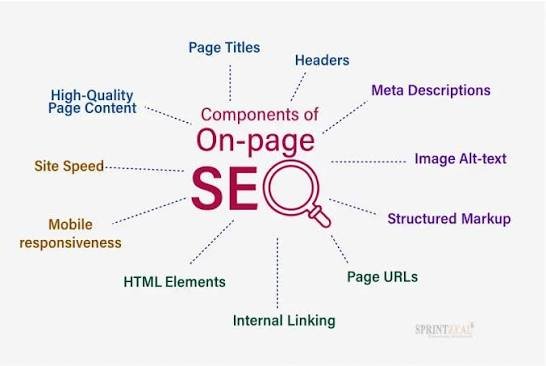
On-Page SEO Checklist: 20 Tips to Rank Higher in Google If you have ever wondered why some websites always show up on the page of Google and others don’t get seen the answer is usually because of good on-page SEO. Even the best content can be missed if it is not set up for search engines and for people who read it. On-page SEO means all the changes you make directly on your website to help search engines figure out what your content is about and to make it better for visitors. Unlike off-page SEO, which’s about links from other sites on-page SEO is something you can control completely. On Page SEO checklist include Things like content, headings, keywords how the page is organized links inside the site and technical parts all matter here. Googles search systems have gotten much better. Now they like websites that show they know a lot give information come up fast and offer a good experience. Just putting in keywords is not enough anymore. Good SEO means making content that answers what people are looking for and following the ways to do it. No matter if you are a writer a small business person, a person who works with marketing or just starting with SEO learning on-page SEO can make your website show up more in search results. Better rankings usually mean visitors from search engines more people who want to interact with your content and more chances to get people to do something you want them to do. In this guide we will go through a list of 20 on-page SEO tips that can help your website do better. Each tip is easy to understand. Can be used without knowing a lot of technical stuff. If you use these methods often you will make pages that’re good for search engines and also good for the people who visit them. We will start with the important on-page SEO Checklist that help build a strong base for better Google rankings. 1. Do Good Keyword Research Every good SEO plan starts with keyword research. Before you write anything find the words and phrases that your audience is looking for. Look for words that have a purpose and a good mix of how many people search for them and how hard it is to rank for them. Don’t just go for the popular keywords. Also use long-tail keywords that answer questions. These often bring in visitors and are easier to rank for. 2. Use Your Main Keyword in the Right Places Put your keyword in important parts like the title first part of the text, headings, the web address and the description that shows in search results.. Don’t put too many. Your writing should feel natural. Give real value to the people who read it. 3. Make a SEO . A good title makes people click and helps search engines know what your page is about. Keep titles specific and around 50 to 60 characters. 4. Make a Meta Description Even though meta descriptions do not help with rankings they do influence if people click on your link. Write a summary that has your main keyword and makes people want to visit your page. 5. Make an URL Use short clear URLs that include your target keyword. Stay away, from numbers, symbols or long strings. A clean URL is easier for people and search engines to understand. 6. Use Proper Heading Structure A page that is organized well is easier for readers and search engines to understand. Your page needs to have one **H1** tag, which’s the title then **H2** and **H3** headings to split your content into clear sections. Do not skip heading levels. Use headings just for style. Instead use them to build a structure for your content. This makes it easier to read helps Google understand your page and lets users scan your content quickly. 7. Publish High-Quality, Original Content Content is one of the important factors in SEO. Google gives rankings to websites that have helpful, correct and original information that really helps users solve a problem or answer a question. Of taking information from other websites add your own thoughts, examples, numbers or step-by-step instructions. Content that covers a topic in depth is more likely to rank because it meets the needs of users better than short or repeated articles. Always write for people first. Search engines second. If your content has value readers will stay longer share your article and come back for more. 8. Optimize Images for SEO Images make the user experience better by making content more interesting. They should also be made for search engines. Before you upload an image change the file name to something that describes the image of using names like “IMG1234.jpg.” Add clear **alt text** that tells what the image shows as this helps search engines understand the image and makes it easier for people using screen readers. Reduce the size of image files to make the page load faster without losing quality. Faster pages offer an experience and can help your search performance. 9. Improve Internal Linking Internal links connect one page on your website to another. They help visitors find content and let search engines crawl your website more easily and help visitors into spending more time looking at your content. 10. Include External Links to Trusted Sources Linking to well-known websites can make your content stronger by backing up your statements with real information. References, to sources show readers that your content is carefully researched. However only link to websites that’re relevant, correct and recent. Do not add many external links and make sure each one gives real value to the reader. 11. Improve Your Website Speed Your website speed is very important for people who visit your site and for search engine rankings. People want your site to load fast in a few seconds. If your site is slow people will leave before they even read what you have to